覆盖生产制造、废水处理到水体排放全流程
越来越多食品行业客户以及废水处理设备厂商,开始青睐具备可持续设计理念的废水处理方案。TFR 技术具备诸多优势。位于越南南部 Fromageries Bel 废水处理厂便是阐释这套工艺的优质实例。
清洁品质及能源效率相关要求
提升能效、保障废水处理清洁品质、实现水资源回用,早已不只是干旱地区的议题。不少行业工艺废水产出量大,生产耗水成本与废水处理能耗成本,在整体运营开支中占据较高比重。
食品行业废水与直排
TFR 生物反应器处理水质的主要目标之一,是将水质处理至可直接排入水体或作为厂区内部回用水的标准。多数废水含有非毒性有机化合物,但这类物质会造成水体溶解氧下降。由于化学需氧量(COD)、生物需氧量(BOD)浓度通常偏高,废水在排入市政污水处理厂前必须进行预处理。想要分析最优运营成本方案,对比接入公共污水厂与自建处理设施的成本十分关键。多数场景下,好氧生物处理工艺(Biological Wastewater Treatment)可有效处置工业、农业及废弃物管理产生的各类废水。生物降解所需氧气,可通过鼓风机、压缩机或表面曝气设备通入处理系统。
废水处理的节能技术
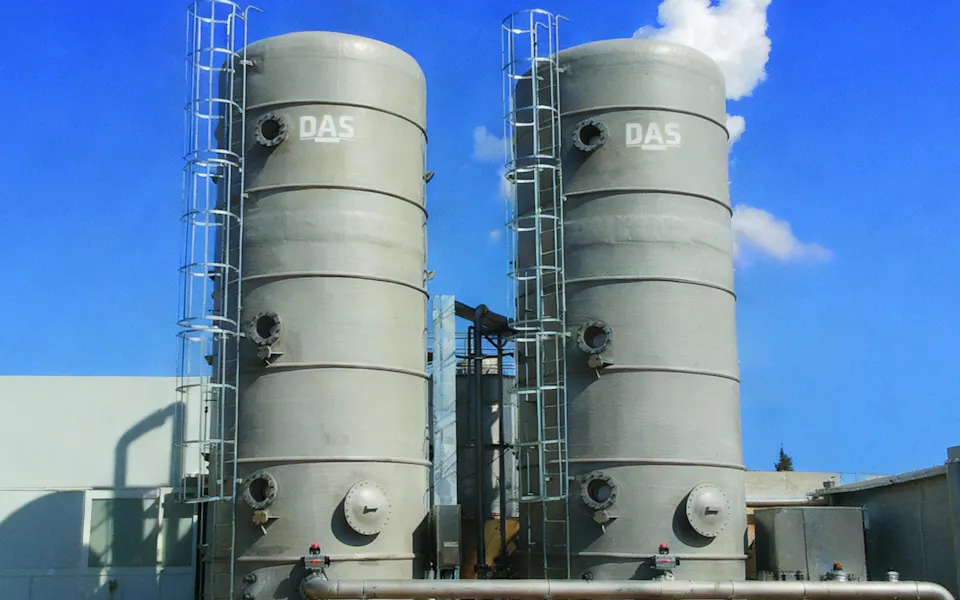
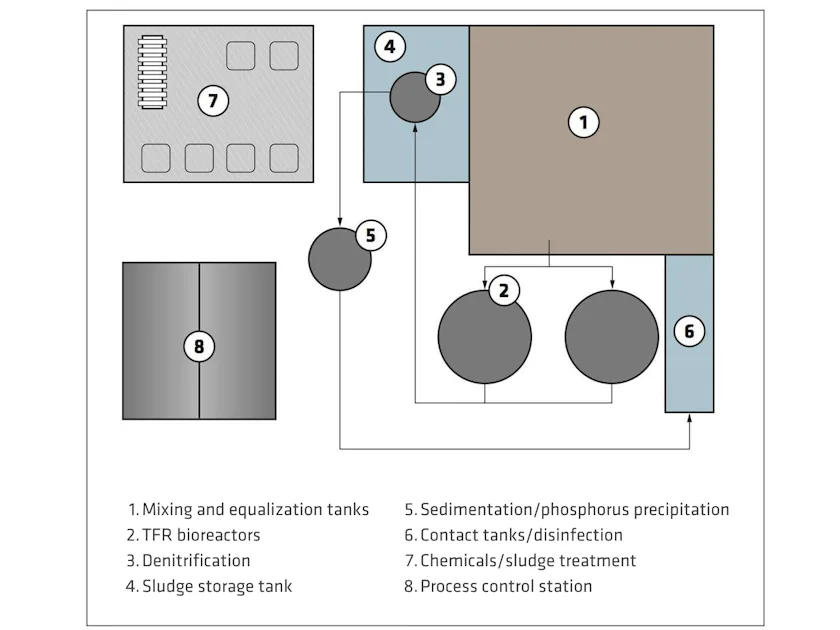
DAS Environmental Experts 的 TFR 技术是一套节能系统,仅需维持较低的恒定曝气量。废水处理第一阶段,通过筛分工艺对固体物质进行机械分离。废水先汇集至大型容器以均衡流量,随后输送至系统核心 —— 两台基于专利原理运行的 TFR 生物反应器(滴流式生物反应器)。系统采用轻质细颗粒载体材料,载体表面附着高活性复合菌群,菌群可适应特定工况条件。持续流入的废水沿滤床缓慢向下流动,风机输送的环境空气逆向曝气。该好氧工艺能够生物降解有机污染物。
整套工艺运行稳定性高,运营成本相对较低,具备突出优势。DAS 在 2010 年末为法国知名乳品企业 Fromageries Bel 位于越南南部生产基地承建的废水处理厂,就是详细展示该工艺的典型案例。
越南涂抹奶酪生产项目
Fromageries Bel 创立于 1865 年,至今仍是家族企业,产品销往全球 120 多个国家。Fromageries Bel 集团在全球 30 家子公司聘用超过 11000 名员工。越南厂区专注生产加工奶酪与奶酪涂抹酱。为满足越南环保法规要求,Fromageries Bel 计划在厂区自建废水处理系统,并就此联系了 DAS。
DAS 首席执行官 René Reichardt 表示:“Bel 团队的专业人士调研十分充分。他们实地考察了德国的标杆工厂,还与乌拉圭蒙得维的亚国家乳制品生产者合作社(Conaprole)的代表交流了 DAS 设备的使用经验。”Conaprole 是南美规模最大的乳制品生产商,仅蒙得维的亚厂区每日处理废水量就超过 2000 立方米,同样采用 DAS 的处理方案。“Bel 邀请我们前往巴黎,向其管理层介绍 DAS 解决方案,”René Reichardt 补充道,“此后我们很快敲定并签署了合作协议。”
DAS EE Systems Withstand Extreme Climatic Conditions
The extraordinary project demanded “greentelligence” for several reasons, reports Dr. Horst Reichardt, founder of DAS Environmental Expert GmbH: “The system is located in South Vietnam, which means it must be capable of operating in a tropical climate. Moreover, regulations in Vietnam are extremely strict, even compared to Germany’s industry norm (DIN). The QVCN law 24: 2009 sets high standards and our equipment meets them.”
Humidity and sun exposure in tropical regions do not pose a problem to the system. Reactors and tanks consist of plastic and larger containers of concrete. In the case of the factory in South Vietnam pipes are made from stainless steel for extra durability. Pumps and ventilators are the only parts that experience wear-and-tear. “Our technology is not only characterized by low energy consumption and low operating costs, but also guarantees low maintenance,” emphasizes Reichardt. “And should Bel Vietnam Ltd. expand its production or should the limits get even stricter, we can easily expand the system as well. Its modular structure allows for easy expansion and upgrades at any time — which is another great advantage of our system technology.”
Set-Up and System Optimization
During the first step in wastewater treatment, solids are mechanically separated in a screening process. In order to create an even wastewater flow, wastewaters are collected in a large container, from where they are released into the system’s cores, two TFR bioreactors, or trickle-flow bioreactors that operate on a patented principle. This aerobic process biologically degrades organic loads. The following, combined biological and physical-chemical treatment removes phosphates and nitrogen; the sludge is removed and drained. The remaining clear water is disinfected and discharged into the recipient. For the maintenance of the system the customer is supported from Germany with an equipment monitoring system, which remotely controls the operation of the treatment technology.
DAS EE 技术达标越南政府严苛环保法规
废水温度介于 28~38°C 之间,该温度区间有利于生物处理工艺。尽管在此温度条件下氧气溶解度有所下降,但并不会对这套处理工艺造成影响。
投产首年完整运行期间,出水有机负荷(COD+BOD)始终显著低于 100 毫克 / 升;即便进水 COD 浓度高达 2700 毫克 / 升,出水指标依旧符合标准。因此,该厂污染物降解率稳定维持在 95%~98%,总氮稳定控制在 30 毫克 / 升限值以内。
工厂厂长 Francois Pons 对 DAS 废水处理方案给予高度评价:“系统安装调试进展顺利,并按期完工。Bel 越南分公司对废水处理效果十分满意。除出水水质优异外,这套系统污泥产量低,运行过程无异味。”
废水再生回用,用作厂区服务用水
DAS 的 TFR 技术能够以最低运维投入满足直接排放标准,是适用于工业废水局部处理或全量处理的现代化工艺。
必要时,处理后的废水水质可达到工艺回用水标准。经过消毒处理后,还可作为服务用水,例如地面与车辆清洗、绿化浇灌等场景。如今,中小型及大型企业均有机会落实更高的环境与能效标准,同时节约废水处置成本。
废水处理相关问题联系人
面向食品行业安全废水处理的定制化治理方案
Chief Operating Officer Water Treatment